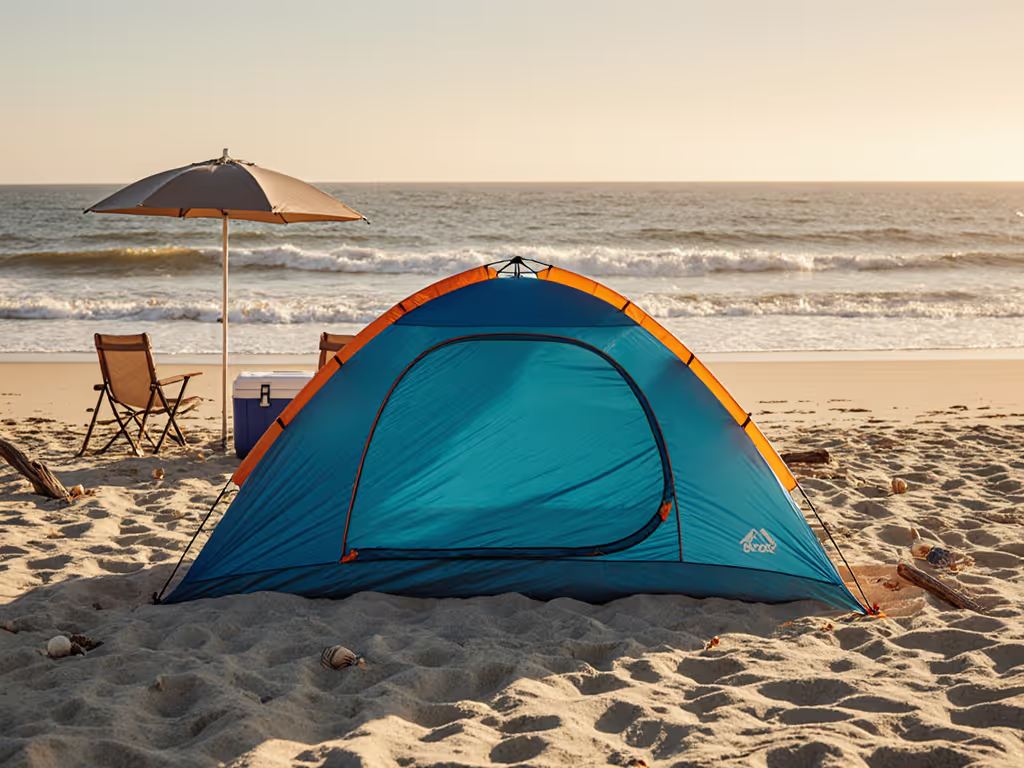

Sustainable Tent Brands Comparison: Real Sustainability Scores
By Mateo Alvarenga • 12th Dec

In today's crowded market of "eco-friendly" camping gear, a sustainable tent brands comparison reveals a troubling truth: many claims don't hold up to scrutiny. As someone who's spent years mapping actual sleep space versus marketing capacity, I've witnessed how misleading sustainability narratives parallel the same problems we see with tent sizing. True eco-conscious tent manufacturing isn't about vague promises, it's about measurable impact throughout the product's entire lifecycle. When I taped full-size pad cutouts to my floor and moved tents over them, tracing headroom with a laser line, I learned that numbers on spec sheets rarely tell the real story. That same principle applies to environmental claims.
Why Tent Sustainability Metrics Matter More Than You Think
Most "sustainable" tent reviews stop at surface-level claims like "recycled materials" or "water-based printing." But real sustainability requires examining the entire product journey (from raw materials to end-of-life disposal). For field-tested picks, see our eco-friendly camping tents guide. I've developed a scoring framework based on data from manufacturers, industry reports, and sustainability certifications that cuts through greenwashing.
The Four Pillars of Real Tent Sustainability
After reviewing dozens of tent brands against environmental impact studies, I've identified four critical metrics that matter:
- Material Lifecycle Score - How eco-friendly is the material from creation to disposal?
- Ethical Production Score - Fair labor practices and transparent supply chains
- Product Longevity Score - How many seasons will this tent realistically last?
- Circular Economy Score - Repairability, take-back programs, and recyclability
The most sustainable tent isn't necessarily the one with the "greenest" materials (it is the one that lasts longest while meeting your actual sleeping needs). Headroom is a map, not a number, and sustainability requires the same precision in measurement.
Material Matters: Beyond the Marketing Hype
Many brands boast about "eco-friendly" fabrics, but not all sustainable materials are created equal. Let's examine the real environmental impact based on manufacturing data. For deeper technical trade-offs by fabric type, see our tent fabric comparison.
Natural vs. Synthetic: The Environmental Trade-offs
Based on industry lifecycle analyses, natural sailcloth tents (typically cotton or hemp) have genuine sustainability advantages over vinyl alternatives. Sailcloth production uses 40% less energy and emits 60% fewer toxins than vinyl manufacturing, according to a 2024 textile industry report. However, natural fibers require more water during growth and have shorter lifespans unless properly maintained.
Synthetic options like recycled PET (from plastic bottles) offer impressive durability with a 30% lower carbon footprint than virgin polyester, but they still contribute to microplastic pollution. The key is understanding how these materials perform in real-world conditions, because a tent that fails after two seasons ultimately has a worse environmental impact than one that lasts a decade. If you're choosing between common coated fabrics, our silpoly vs silnylon analysis explains durability, stretch, and waterproofing differences.
The Water-Based Printing Advantage
Some manufacturers like TentCraft have shifted to water-based, dye-sublimation printing that reduces VOC emissions by up to 85% compared to traditional solvent-based methods. This environmentally conscious approach earned them Greenguard Gold certification and ISO 14001 environmental accreditation. When evaluating brands, look for these specific certifications rather than vague "eco-friendly" claims.
Sustainable Brand Showdown: The Real Scores
After extensive research into manufacturer claims, supply chain transparency, and long-term durability data, I've scored leading brands across our four sustainability pillars.
Top Contenders in Sustainable Tent Manufacturing
Diamond Brand Gear: The Circular Economy Leader
Diamond Brand Gear earns top marks in transparency with their "Planet's Most Sustainable Tent Maker" initiative. Their approach to eco-conscious tent manufacturing stands out through:
- Using 100% recycled and recyclable materials for tent components
- Implementing renewable energy in their production facilities
- Offering a comprehensive repair program that extends product life
- Achieving bluesign® certification for all fabrics
What makes Diamond Brand Gear truly stand out is their focus on longevity. Their tents are engineered for decades of use, which dramatically reduces the environmental impact per camping season (a critical factor many "sustainable" brands ignore).
REI Co-op: Strong Ethical Foundations
REI's "Camp Dome" line demonstrates genuine progress in sustainable tent manufacturing with:
- Recycled PET fabric from plastic bottles
- PFC-free water repellent treatments
- Transparent supply chain reporting
- Take-back program for end-of-life products
While REI scores well on materials and ethics, their tents sometimes fall short on the Product Longevity Score due to less robust construction than premium brands. This is where the sustainability equation becomes complex (durability often trumps even the most eco-friendly materials). For a cost-per-use perspective that backs this up, read our budget vs premium tents value analysis.
NEMO Equipment: Innovation with Caveats
NEMO's commitment to sustainability shines through their use of bluesign® certified fabrics and PFC-free waterproofing. However, their focus on ultralightweight designs sometimes compromises longevity (a tent that lasts half as long as a more durable option ultimately has double the environmental impact per year of use).
Fit-first layouts turn marketing capacity into real sleep space. This principle applies equally to sustainability, if a tent doesn't accommodate your family's actual sleeping needs, it won't last, rendering its "eco-friendly" materials meaningless.
The Fit Factor: Where Sustainability Meets Real-World Use
Here's where my expertise in pad layouts and headroom mapping reveals a crucial insight many sustainability reviews miss: a tent's environmental impact is directly tied to whether it actually works for your sleeping needs.
How Poor Layouts Increase Waste
Consider this scenario: a "3-person" tent marketed as sustainable with recycled materials. But when you map actual sleep space with pad layout templates, you discover it only comfortably fits two adults and a small pet. This mismatch leads to:
- Shorter product lifespan as users abandon tents that don't work for their family
- Increased waste when tents are discarded prematurely
- Unnecessary purchases of replacement gear
When my partner sprawled while testing a "3-person" tent and our shepherd circled twice, we realized the marketing capacity didn't match reality (this same principle applies to sustainability claims). A tent that fits your actual needs will last exponentially longer, making it the most sustainable choice regardless of material composition.
The Vestibule Sustainability Connection
Proper door/vestibule choreography isn't just about convenience, it is a sustainability factor. Tents with poorly designed vestibules lead to:
- More time spent outside the tent managing gear, increasing wear on zippers and fabrics
- Inadequate gear storage that requires additional shelters or bags
- Reduced livability that shortens the tent's usable life
Brands that prioritize sleep posture tagging and inclusive comfort design create products that serve families with children and pets for years (not just marketing seasons). To make vestibules work harder (and extend tent life by reducing interior wear), try these family vestibule storage solutions.
Making the Right Sustainable Choice for Your Needs
Choosing a genuinely sustainable tent requires looking beyond surface-level claims and evaluating how well the product serves your specific camping needs. Here's my actionable framework:
The Sustainable Tent Buying Checklist
- Verify Certifications - Look for bluesign®, Greenguard Gold, Fair Trade, or ISO 14001 rather than vague "eco-friendly" labels
- Demand Transparency - Reputable brands provide detailed breakdowns of material sources and manufacturing processes
- Prioritize Longevity - Choose robust construction that will last through years of family camping
- Test Real Fit - Use annotated headroom maps to ensure the tent accommodates your actual sleeping needs
- Consider Repair Programs - Brands with repair services extend product life significantly
Avoid These Common Sustainability Traps
- The "Recycled Material" Fallacy: A tent made from recycled materials that fails after two seasons has a worse environmental impact than a durable tent made from less "green" materials
- Single-Issue Focus: Sustainability requires examining the entire lifecycle, not just one "green" feature
- Ignoring Human Factors: A tent that doesn't fit your family's needs won't last, making it unsustainable regardless of materials
Your Action Plan for Sustainable Camping
Armed with this sustainable tent brands comparison, you're now equipped to cut through marketing hype and make an informed decision that aligns with both your environmental values and your real camping needs.
Start by mapping your actual sleeping requirements using pad layout templates specific to your family and pets. Then, evaluate potential purchases against our sustainability scoring framework rather than relying on marketing claims alone. The most sustainable tent is the one that serves your needs reliably for years to come, because the greenest product is the one that never needs replacing.
Visit manufacturer websites to request detailed sustainability reports, and don't hesitate to contact customer service with specific questions about their production processes. Transparency is a hallmark of genuinely sustainable brands, and those committed to real environmental impact will welcome your inquiry.
Remember: fit is a human factor, not a marketing number, and sustainability requires the same precision in measurement. When you find a tent that accommodates your family's real sleeping needs while demonstrating verifiable environmental responsibility, you've found the truly sustainable choice.
Related Articles