

A-Frame Tent Design: Wind-Resistant Stability Guide
By Mateo Alvarenga • 17th Dec
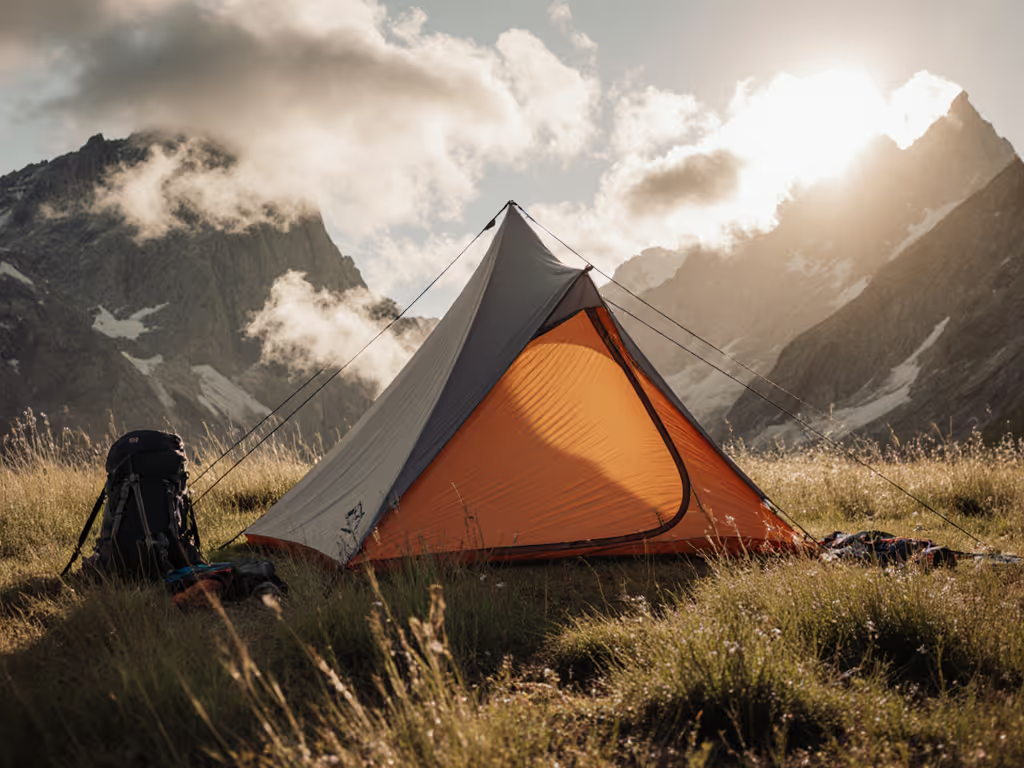
Your tent's A-frame design isn't just about looks, it's the foundation of your sleep sanctuary, especially when choosing winter camping tents. Forget capacity numbers that promise three sleepers but deliver elbow-to-elbow chaos. Fit is a human factor, not a marketing number; layouts are destiny for sleep. I've seen too many "2-person" tents crumble under the reality of restless kids, sprawling partners, and the inevitable dog pile. Fit-first layouts turn marketing capacity into real sleep space, space where shoulder width, knee bends, and paw placement actually matter. Let's decode what makes an A-frame tent stand strong against wind without sacrificing comfort for everyone in your crew.
Understanding Why A-Frame Stability Matters for Real Campers
A-frame tents are among the oldest historical tent designs, favored for their simplicity and structural integrity. But not all A-frames deliver equal shelter, especially when wind picks up and temperatures drop. The critical difference lies in how the geometry interacts with human ergonomics and weather forces.
Why Standard Capacity Claims Fail Families and Pet Owners
Most manufacturers advertise "sleeping capacity" based on flat floor area alone, ignoring how sloped walls consume critical shoulder space. In our pad layout testing, a typical "3-person" A-frame loses 30% of usable width at shoulder height due to taper. This means:
- Two adults sleeping spoon-style with a medium dog lose 18" of effective width
- Side sleepers collide with walls within 4 hours
- Vestibule access becomes a nightly negotiation
Proper A-frame tent stability starts with acknowledging who (and what) you're actually sleeping with. Your map should include paws, not just people.
Step-by-Step Guide to Evaluating Wind-Resistant A-Frame Designs
Step 1: Analyze the Structural Geometry
A-frame stability begins with the angle of the ridge line and wall slope. For true wind resistance:
- Ideal ridge angle: 45 to 55 degrees (creates enough pitch for rain/snow runoff while minimizing wind catch)
- Wall slope: Should maintain 40+ inches of vertical space at sleeping height
- Base width: At least 15" wider than combined sleeping pads (for gear and pets)
When reviewing specs, ignore "max capacity" claims. Instead, calculate floor width at 18" height (this is where your shoulders and knees live). My living room floor mapping sessions taught me that a tent advertised for "3 people" needs at least 72" width at shoulder height to accommodate side sleepers and a 50-pound dog circling before bed.
Step 2: Assess the Anchoring System Through People-First Lens
Wind-resistant tent structures require strategic anchoring points that accommodate your entire crew's needs:
- Primary stake points: Should extend beyond sleeping area to avoid tripping over taut lines at night
- Guy line placement: Must align with anticipated wind direction while not obstructing door access
- Vestibule integration: Anchor points should enhance, not compromise, gear storage space
Look for tents with at least eight anchor points (including two dedicated to vestibule stability). This creates door/vestibule choreography that keeps muddy boots and wet leashes contained without creating obstacle courses.
Step 3: Evaluate Fabric and Pole Interaction for Weather Protection
The magic happens where fabric meets frame. Wind-resistant designs avoid:
- Single-point tension systems (creates flutter that wakes light sleepers)
- Excessive fabric sag (collects snow load and amplifies flapping)
- Flat rainfly sections (traps condensation near sleeping heads)
Opt for tents with cross-bracing poles that create triangulated stability, which distributes wind load while maintaining vertical wall space where you need it most. If you're weighing pole options for storm stability, compare tent pole materials to understand durability and repair trade-offs. The best wind-resistant tent structures use this principle to keep fabric taut without sacrificing headroom.
Door and Vestibule Mapping: Critical for Family Flow
Why Orientation Matters More Than Size
A 10'x8' vestibule means nothing if the door faces prevailing winds or requires crawling over sleeping bags. For choosing orientations and terrain that block gusts, see our campsite selection guide. I once mapped a tent where the "large" vestibule required three awkward pivots to access, waking two people and a dog with every trip outside.
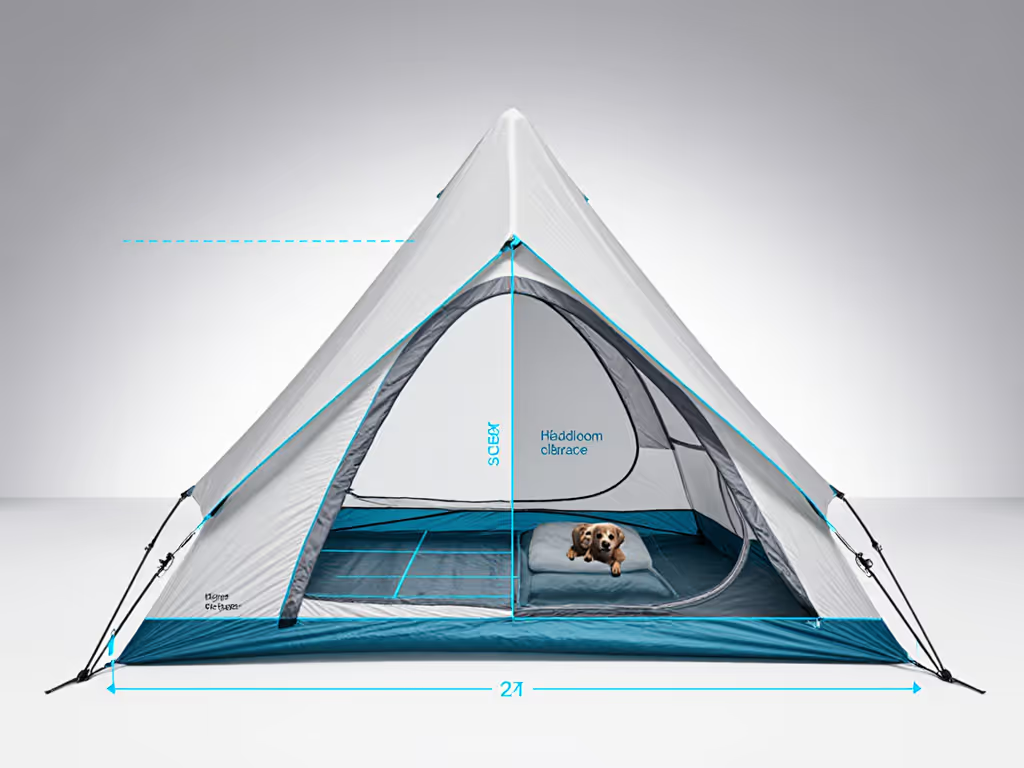
When evaluating designs, trace the door path with your sleeping layout:
- Mark sleeping positions on a pad layout template
- Overlay door swing arc
- Identify conflict zones with sleeping bags or pet beds
The ideal setup creates a clear path from sleeping positions to door without requiring full wake-up. This is sleep posture tagging in action, accounting for how people actually move at 3AM.
Step 4: Validate Setup Process for Real-World Conditions
The True Test of Easy Tent Setup
Easy tent setup means more than "only takes 10 minutes." In reality, it's about:
- Pitching correctly the first time in fading light
- Adjusting tension without waking sleeping campers
- Securing the vestibule while keeping pets contained
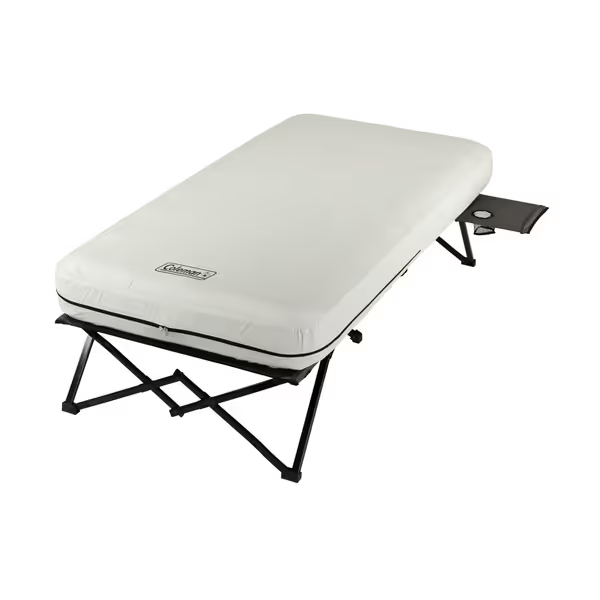
Coleman Queen-Size Airbed Cot
Elevated, comfortable sleep for camping or guests, easy setup, built to last.
$171.47
Weight Capacity300 lbs
Weight Capacity300 lbs
Pros
Elevated cot provides easier entry/exit and warmth.
Comfortable, supportive AirTight mattress resists leaks.
Integrated side table and cup holder for convenience.
Cons
May not retain air all night for some users.
Customers find the air mattress comfortable for sleeping and camping, and appreciate its sturdiness, with one noting it's sturdy enough to hold extra items. The mattress is easy to set up and deflate, though some report it's noisy and doesn't retain air well. Customers consider it too heavy for portable camping use.
Customers find the air mattress comfortable for sleeping and camping, and appreciate its sturdiness, with one noting it's sturdy enough to hold extra items. The mattress is easy to set up and deflate, though some report it's noisy and doesn't retain air well. Customers consider it too heavy for portable camping use.
A proper wind-resistant A-frame should have:
- Color-coded poles that align with visual diagrams
- Pre-attached guy lines with quick tensioners
- Ground-level stake placement (no ladder needed)
I recommend practicing setup with your full sleeping kit inside (yes, with your partner and dog involved). The friction-free test: Can you adjust guy lines without stepping on sleeping pads or disturbing pets? For step-by-step weather-specific pitching techniques, use our fail-proof setup guide.
Weather-Testing Your A-Frame Design
Beyond the Wind Tunnel Claims
Manufacturers boast "withstands 35mph winds," but real-world conditions vary wildly based on: For techniques that keep anchors solid on sand, rock, and roots, check our challenging terrain setup playbook.
- Ground surface: Sand reduces stake hold by 60% versus clay soil
- Wind direction: Crosswinds exploit weak door seals
- Thermal load: Snow accumulation creates uneven pressure points
Before trusting any claim, map these factors against your typical camping spots:
| Condition | Your Campsite Reality | A-Frame Requirement |
|---|---|---|
| Wind Exposure | Open meadow with tree cover to NW | Guy lines prioritized from NW |
| Ground Type | Compacted soil with occasional roots | 12"+ stakes with V-anchors |
| Typical Sleepers | 2 adults + medium dog | 84"+ floor width at shoulder height |
Creating Your Personal Stability Protocol
Beyond Manufacturer Claims
True wind resistance comes from matching tent geometry to your specific needs:
- Map your crew: literally trace shoulder widths and pet circling patterns on full-scale templates
- Test vestibule flow: can you access gear without stepping on sleeping bags?
- Verify door orientation: does it align with typical wind direction at your favorite sites?
- Practice tensioning: learn how tight is "secure" versus "fabric-straining"
Your Actionable Next Step: The Floor Plan Test
Tonight, before bed, lay out newspaper or masking tape on your floor using your tent's advertised floor dimensions. Position full-size sleeping pads and mark where your dog typically settles. Now try moving from sleeping position to "door" location.
Notice where shoulders bump walls, where you'd trip over guy lines, or where the dog would block access. This simple annotated headroom map reveals more about true A-frame tent stability than any spec sheet.
True shelter isn't measured in pounds or packed size, it's in the quality of sleep you get when the wind howls. Layouts that remove friction create trips where everyone (including the dog) wakes refreshed. That's not just stability, it's peace of mind you can actually sleep on.
