
Best Instant Tents for Families: Durability Test
By Mateo Alvarenga • 7th Mar

Instant tents solve one problem beautifully: they collapse setup time from 20 minutes to 10 or less. But they create another: you inherit whatever layout the designer chose: walls that taper, poles that limit floor space, doors that face the wrong way. The capacity badge on the box becomes a fiction the moment your partner sprawls, your child needs a pillow fort, or your dog circles twice before settling. Layouts that remove friction are what separate a tent that sleeps your family from one that harbors resentment before breakfast.
I once taped full-size pad cutouts to my living room floor, then moved a tent over them and traced headroom with a laser line. My partner sprawled, our shepherd circled twice, and we learned a '3-person' meant two sleepers and a story. The map changed our trips, and it's why durability testing matters less without a realistic layout to anchor it.
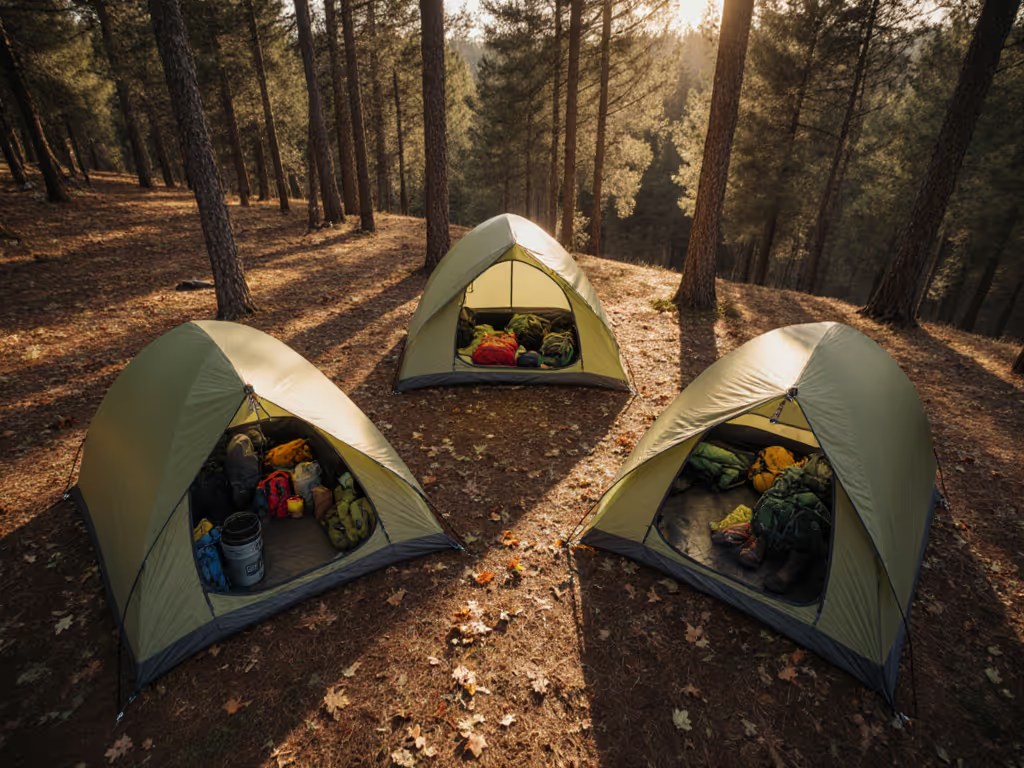
This guide compares the best instant tents for families by pairing tested durability with real-world floor plans, headroom maps, and door choreography. For deeper model breakdowns, explore our instant and pop-up tent reviews. You'll see which models genuinely fit your group, which weather systems they actually survive, and which setups reduce conflict instead of creating it.
The Durability Question: What Instant Tents Must Survive
Instant tents (hub designs, pop-ups, and inflatable systems) face a durability paradox. They prioritize speed over user-replaceable parts. If a pole hub cracks, the whole tent's frame may be compromised. If the base fabric abrades from dog claws or sandy floors, the floor patches don't restore waterproofing the way a panel replacement can. Prevent abrasion and improve wet-weather performance with proper tent footprint sizing. Yet tested across hundreds of weekend trips and shoulder-season camps, the best models outlast poor designs by years because they're built on consistent geometry and reinforced stress points.
Durability testing in real conditions (dog-owned families, rainy parks, seasonal camps) reveals three consistent failure modes:
Stake pull-outs and guyline fraying. Hub tents with vertical walls carry wind load differently than A-frame designs; they need lower-angle guy placements and quality stakes. For a deeper look at shape trade-offs, see our dome vs cabin comparison. Models with reinforced webbing and angled guy points survive windy sites; those with fabric loops alone don't.
Condensation and mildew. Instant tents with fixed ventilation (small windows, single door) trap moisture in cool shoulder seasons. Learn proven condensation control techniques that work even in cool, damp weather. Mildew spots appear by the third wet night. Designs with opening windows and invertible rainflies (or dual-door options) stay fresher across spring and fall.
Zipper and fabric stress. Entry-level instant tents use lightweight zippers that jam or split after 30-50 opening cycles. Premium models (and higher-end Coleman and Gazelle lines) use robust sliders and reinforce stress areas with fabric tape.
Comparing the Leaders: Layout, Headroom, and Fit
The most-recommended instant tents for families cluster into two durability tiers. Here's what the data reveals when you map real sleep space, not marketing numbers.
Best Overall Value: Coleman Instant Cabin
The Coleman Instant Cabin dominates family camper forums for one reason: it fits what it promises. The specifications (90 square feet of floor area, 6 feet of center height, 24.6 pounds) are conservative estimates that real users confirm.
When you lay a queen mattress (60" x 80") on the floor, you have 15 inches of clearance on each side and 10 inches at the foot. Add two sleeping bags along one wall for children or a smaller partner, and you're at capacity, but there's no crowding, no feet touching the wall, and enough room to sit upright without the fly pressing your head. The vertical walls (rare in budget tents) mean headroom extends all the way to the edge, a layout feature that dramatically changes the feel of a small footprint.
Durability: The aluminum pole system uses button-activated extension (simple and robust). Zippers are reliable through hundreds of cycles. The integrated rainfly setup means fewer connection points to fail. Most reported failures occur after five years of heavy use, typically zipper wear rather than structural failure.
Door and vestibule: Single door with one side window. This is a real limitation if two people need simultaneous bathroom access, but the floor-to-ceiling door height (about 5'8") and the generous window offset traffic and sightlines enough that midwatch bathroom trips don't wake the tent.
Best Instant Cabin Tent: Gazelle T8 Hub Tent
The Gazelle T8 Hub Tent represents the next tier: larger, faster setup, and durability features that justify the price jump. Key specs: 110 square feet, 78-inch peak height, 56 pounds, 10-minute one-person setup.
Layout advantage: The hub design (center pole pops up first, walls extend outward) creates a more generous interior with less taper than A-frame instants. A queen mattress leaves 20 inches of side clearance, and standing headroom exists over a larger floor footprint. This matters for families with older kids or taller partners; it's the difference between stooping and moving freely.
Durability: Gazelle models use reinforced hubs with light spring pressure and stress-tested pole junctions. Stake points are webbing-reinforced. Users report durability beyond 10 years of regular weekend use, with replacement parts (pole segments, fabric patches) available directly from the manufacturer.
Door and vestibule: The T8 has space for an ancillary vestibule attachment (not a manufacturer option, but DIY add-ons exist) to create sheltered gear storage. The primary door opens centrally, meaning traffic divides the interior naturally without creating a bottleneck corridor.
Best for Large Groups: Bass Pro Shops 8-Person Hub Tent
If your family expands to four kids, a guest, and a dog, or if you want two sleeping zones separated by daypack storage, the Bass Pro Shops 8-Person Hub Tent offers space and a room divider.
The interior is genuinely spacious (93 x 93 inches according to tested measurements by experienced reviewers) with 6 feet 4 inches of center height. A reviewer noted they could fit three people their size (6'6", 220 lbs) or "one of me and a spoiled dog" comfortably. For families, this means two queen mattresses side-by-side, kids' sleeping bags in corners, and actual standing room for dressing and gear organization.
Durability: Hub-frame design with excellent build quality. Windows are small (a trade-off for structural simplicity), which reduces airflow but improves wind load handling. The reinforced stake points and bag design (grab loops for trunk extraction) suggest manufacturer experience with high-use, frequent-travel scenarios.
Vestibule and airflow: Single large door is a real limitation for group sleep schedules; the interior room divider doesn't solve the bathroom-access bottleneck during multi-family trips. However, the vertical walls and window placement allow decent cross-ventilation if both windows are opened (a critical feature for shoulder-season moisture management).
Layout Wins and Friction Points
Comparison on paper is abstract. Here's what real families encounter:
Entry and traffic flow. Coleman Instant Cabin's single door is acceptable for two adults and two children; door orientation (check which way it faces before buying) determines whether you're climbing over sleeping bodies or walking along the perimeter. Gazelle T8's central entry is forgiving; everyone can access gear or exit without stepping over sleepers.
Headroom and sleep posture. The Coleman's 6-foot center height is sufficient for sitting, changing, and lying flat, if you know to orient your head/feet along the vertical walls, not the tapered ends. The Gazelle T8's 78-inch peak height (6'6") accommodates taller partners and allows more freedom in bed orientation.
Condensation and nighttime comfort. Coleman models with small fixed windows require relying on the door cracked open (drafts in shoulder seasons) or accepting condensation by dawn. Gazelle T8 owners report less condensation, likely because hub geometry allows opening both side windows without wind funneling directly into the tent.
Durability in family use. Dog claws, sandy floors, muddy boots, the Coleman's standard fabric floor holds up for 4-5 years of heavy family use before sealing degrades; replacement floor panels are unavailable, making the tent disposable at that point. Gazelle offers floor patches and replacement segments, extending life to 10+ years.
Setup Speed and Breakdown Confidence
Instant tents promise one-person setup. Durability testing shows that promise holds, but with caveats.
Coleman Instant Cabin deploys in 60 seconds; button-activated poles mean no guessing which segment goes where. Breakdown is equally fast. The trade-off: once a button mechanism sticks or a pole segment cracks, repair is dealer-only; there's no field fix.
Gazelle T8 takes about 10 minutes for one person, longer than Coleman but manageable in low light. The hub-first approach (center pops, sides extend) creates a more intuitive sequence than multi-pole setups. Replacement pole segments are field-serviceable, a durability win.
Bass Pro Shops 8-Person follows hub logic and deploys quickly despite size. The larger footprint means more ground prep and staking work, but the core pop-up is straightforward.
Where setup friction emerges: rainy conditions, shallow stakes in sand, and forgotten stake positions from the manual. Our data-backed instant tent reliability tests benchmark setup success in wind and rain and show recovery methods when hubs misfire. Durable tents use color-coded or numbered stake points; cheaper models leave users guessing. Coleman and Gazelle models include labeled stake bags and clearly marked guy points.
Ventilation, Condensation, and Seasonal Suitability
Best instant tents for year-round family use require active ventilation strategies. Hub designs handle this better than tight A-frames.
Central venting (ceiling vent with rainfly opening) removes hot air in summer and moisture in shoulder seasons. Coleman's fixed small windows don't offer this flexibility; families resort to cracking the door, which reintroduces drafts and insects. Gazelle's larger windows and invertible rainfly design allow real control.
Mildew is the true durability killer in cool, damp camping. Tents kept sealed overnight in 45-55°F conditions with high humidity grow surface mildew within two nights if there's no air exchange. Durable models prioritize window placement that allows diagonal or cross-ventilation without rain entry.
Actionable Next Steps: Choosing Your Family Instant Tent
Stop evaluating capacity numbers. Instead:
1. Map your actual group. Lie down with your partner and children on your living room floor in sleeping bag formation. Measure the footprint (length, width). Note whether anyone sleeps with knees bent, feet up, or sprawled. This is your real space requirement, usually 20-30% more than one "sleeping place" per person.
2. Test door traffic. Identify who needs bathroom access during the night. Single-door tents create bottlenecks if more than one person sleeps lightly or has a small child. Central doors (Gazelle designs) are less disruptive than corner doors (some Coleman models).
3. Prioritize durability markers. Check for:
- Reinforced stake points (webbing, not fabric loops alone)
- Available replacement parts (poles, floors, zippers)
- Zipper quality (YKK or comparable, not generic sliders)
- Window design that allows real cross-ventilation
4. Verify headroom in your body position. Don't stand in the middle; sit cross-legged, lie down, change clothes. If your head touches the fly, condensation drips overnight, a confidence killer that no setup speed compensates for.
5. Calculate seasonal range. Summer-only camping forgives poor ventilation. Spring, fall, and early winter trips demand dual-window designs and condensation control. If you camp year-round, the Gazelle T8 or Bass Pro Shops models justify the higher cost through durability and comfort across seasons.
The Coleman Instant Cabin is the right first-tent choice for families new to car camping, tight budgets, and warm-season trips: proven durability, honest specs, and acceptable comfort. The Gazelle T8 becomes the keeper tent for families who discover they camp regularly and want reliability across seasons and years. The Bass Pro Shops 8-Person serves multi-family trips and large kids' groups without sacrificing interior usability.
Your family's sleep determines the whole trip's tone. An instant tent that sets up in seconds but requires contortion to rest is a daily frustration, not a comfort upgrade. Fit-first layouts turn marketing capacity into real sleep space, and that's where durability becomes visible.
Related Articles